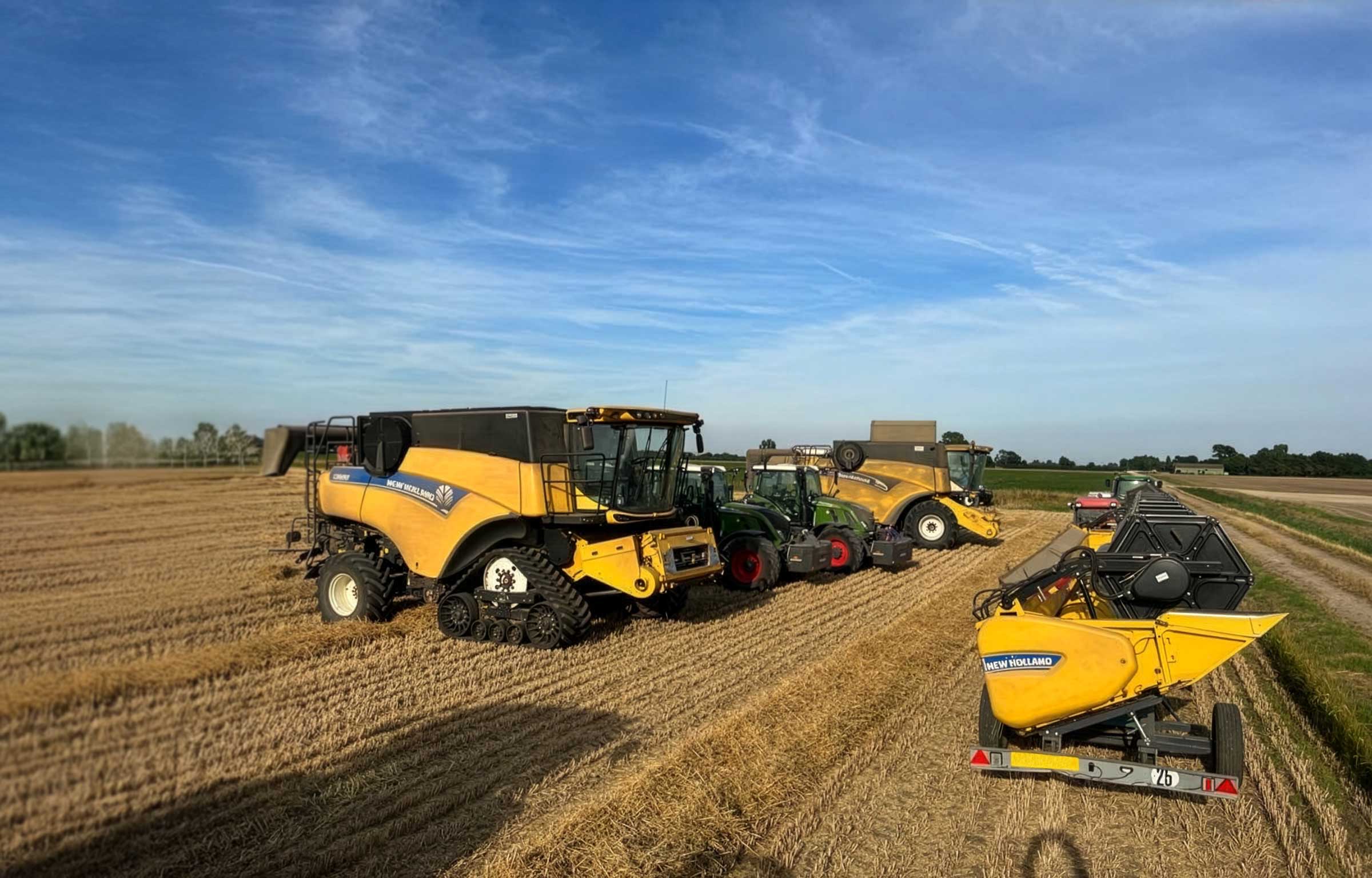
Lincolnshire has long been recognised as one of the UK’s most important food-producing regions. In recent years, the county has also become a centre for agrifood innovation, skills development and technical support through initiatives such as the UK Food Valley and wider regional programmes.
For A E Lenton, being part of this cluster allows us to strengthen our approach to sustainable land management, maintain high crop standards and stay aligned with the direction of modern food supply chains.
A region built around food production and innovation
Greater Lincolnshire is home to a significant proportion of the UK’s fresh produce sector, alongside research centres, technical colleges and organisations focused on advancing farming practices. The region’s investment in skills, technology and environmental improvement creates a supportive environment for growers who want to adapt responsibly to changing market expectations.
These industry networks give us access to up-to-date knowledge and collaborative opportunities that help inform both day-to-day decisions and longer-term planning.
Aligning regional innovation with our own priorities
Our focus remains firmly on soil health, crop quality and careful land stewardship. However, we recognise that new technologies and shared research can support these aims. Being part of the wider agrifood community helps us:
Keep pace with developments in soil monitoring and field analysis
Explore opportunities for improved efficiency through digital or precision tools
Engage with training and skills programmes relevant to our teams
Contribute to discussions about sustainable land use and future farming systems
These elements allow us to maintain high standards while taking a thoughtful, evidence-based approach to innovation.
Opportunities for collaboration and practical learning
We value the chance to learn from regional demonstration farms, trials and knowledge-sharing events. Whether the focus is soil resilience, reduced input systems, cover crops or new agronomic techniques, the collaborative structure of the region helps ensure that good ideas are tested and practical before they reach commercial fields.
This fits well with our own preference for measured, real-world evaluation rather than rapid adoption for its own sake.
Supporting supply-chain resilience
As supermarkets and major buyers look more closely at environmental performance and long-term resilience within their supply chains, the regional agrifood ecosystem provides a helpful framework. It reinforces many of the same themes we prioritise: responsible land management, consistent quality, and transparency around production practices.
Working within this environment enables us to demonstrate a considered approach to improvement without overclaiming or overstating our role. We aim simply to be a dependable grower that engages with good practice and invests in the future of its land.
A shared commitment to our farming future
Our involvement in the Lincolnshire agrifood cluster is one part of a broader commitment to farming responsibly and preparing for the challenges ahead. By combining our long-held principles with the support and insight offered across the region, we can continue to manage our land carefully, deliver consistent crop quality and contribute positively to the area’s farming landscape.